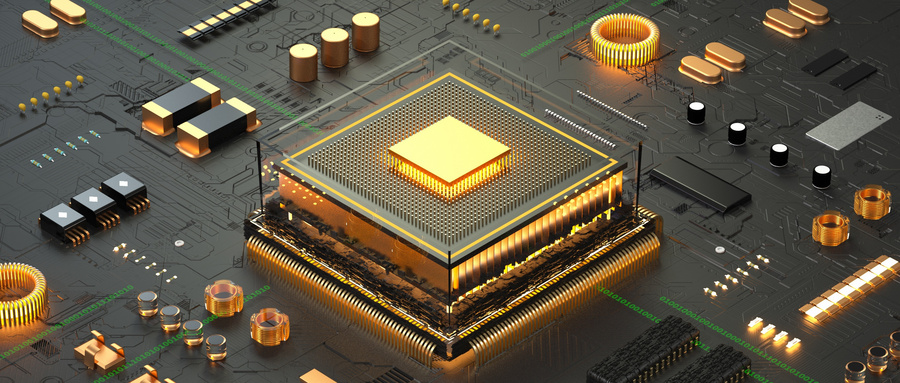
In the automotive electronics industry, ISO 26262 and AEC-Q are two international certification standards that have attracted much attention. They each have different certification objects and focuses, and complement each other to play an overall significant role in improving the safety and reliability of automotive electronic systems.
ISO 26262 Certification: The Guardian of Functional Safety
ISO 26262, the full name of which is Road vehicles-Functional safety, is a functional safety standard for the automotive industry. It aims to ensure the safety of automotive electronic and electrical systems, and to identify, evaluate and control potential risks through a systematic approach to achieve an acceptable level of residual risk. ISO 26262 certification not only focuses on the safety of individual components, but also on the functional safety design of the entire system.
ISO 26262 certification covers a wide range of areas, including the development process of automotive electronic systems, products (physical or non-physical), software, etc. The certification process includes multiple stages such as safety analysis, safety requirements formulation, system design and development, verification and validation activities, internal audits and external reviews. Ultimately, the certification body will issue an ISO 26262 certification certificate to prove that the company's development process or the functional safety design of the product itself meets the standard.
From the perspective of the automotive industry, ISO 26262 certification is not only of great significance to the improvement of the safety of automotive electronic systems, but also promotes the improvement of the overall technical level and innovative development of the automotive industry. Through systematic hazard analysis, risk assessment and functional safety design, ISO 26262 certification effectively reduces the failure risk of automotive electronic and electrical systems, reduces traffic accidents caused by system failures, and protects the life and property safety of passengers and road users.
AEC-Q certification: guarantee of component reliability
AEC-Q certification, the full name of which is Automotive Electronics Council certification, is a reliability test certification specifically for automotive electronic components. AEC-Q certification was launched by the American Automotive Electronics Council in 2000 and has now become one of the certification standards widely recognized by the global automotive industry.
The objects of AEC-Q certification are mainly automotive electronic components, such as integrated chips, discrete semiconductors, passive devices, etc. These components need to undergo rigorous testing to ensure reliability and stability in vehicle applications. The test content covers electrical performance, environmental adaptability, mechanical strength, reliability and consistency. After passing the test, it can be noted in the product manual that it meets the AEC-Q standard.
AEC-Q certification plays a positive role in improving the quality and reliability of automotive electronic components. By establishing and implementing strict certification standards, AEC-Q certification can ensure the quality and reliability of automotive electronic components. At the same time, through supply chain management and product verification, AEC-Q certification can prevent unqualified raw materials and parts from entering the production process, thereby reducing product quality risks.
ISO 26262 and AEC-Q Certification Link
Common goals: Both ISO 26262 and AEC-Q certification are committed to improving the safety and reliability of automotive electronic systems, thereby ensuring the safety and reliability of vehicles.
Step-by-step improvement: AEC-Q certification ensures the reliability and stability of automotive electronic components, providing a solid material foundation for the functional safety design of ISO 26262 certification. Therefore, the overall system uses components that have passed AEC-Q certification, which can basically be regarded as a basis for passing ISO 26262 certification. And achieving ISO 26262 certification is the "entry ticket" to the automotive supply chain.
Differences between ISO 26262 and AEC-Q certification
Certification object: AEC-Q certification is mainly for automotive electronic components, while ISO 26262 certification focuses more on the functional safety design of automotive electronic systems, including development processes, products (physical or non-physical), software, etc.
Certification standards: AEC-Q certification standards are mainly based on component reliability testing, including requirements for electrical performance, environmental adaptability, mechanical strength, etc. The ISO 26262 certification standards focus more on functional safety design, including hazard analysis, risk assessment, safety goal setting, safety requirements formulation, system design and development, etc.
Certification process: AEC-Q certification is only for component products, including integrated circuits, discrete devices, etc., and the design of its certification process only needs to consider the harsh working conditions that specific devices may be in. The ISO 26262 certification process is more complicated, including multiple stages and links, and finally a certification certificate is issued to prove that the company's development process or the functional safety design of the product itself meets the standard.
Crossing the certification threshold, the proportion of domestically produced automotive chips will increase rapidly
The continued development of my country's new energy vehicle industry requires a strong chip supply chain to "protect prices". Multiple data have used different calibers to calculate the current chip self-sufficiency rate of the local automobile industry. Although there are differences, they are generally concentrated around 10%, which shows that there is still a lot of room for improvement in the self-sufficiency level of automotive chips.
In terms of technological strength, my country's chip companies have achieved great breakthroughs in the field of automotive chips. In addition to the main chips for smart cockpits that use advanced processes, the remaining huge number of MCUs, sensors, signal chains and power analog devices are all manufactured using mature processes, and the local market now has strong production capabilities.
The reason why the current self-sufficiency rate is still relatively low is mainly because many companies and products are in the long certification process. In terms of the rigor of ISO 26262 and AEC-Q certification, the number of testing links and the length of the process can even take years.
In recent years, China has focused on solving chip supply chain security issues. These chip products, which have already "started", are not far from completing all certification links. By then, they will be invested in the supply chain for use by the local automotive industry. The chip self-sufficiency rate of the local automotive industry will also soon increase significantly.
In summary, ISO 26262 and AEC-Q certification are of great significance in automotive electronic systems, and they are jointly committed to improving the safety and reliability of automotive electronic systems. As far as the local industrial chain is concerned, more and more chips and system-level products have completed the certification process, which will directly promote the better development of domestic new energy vehicles and exert their influence in a more distant market space.
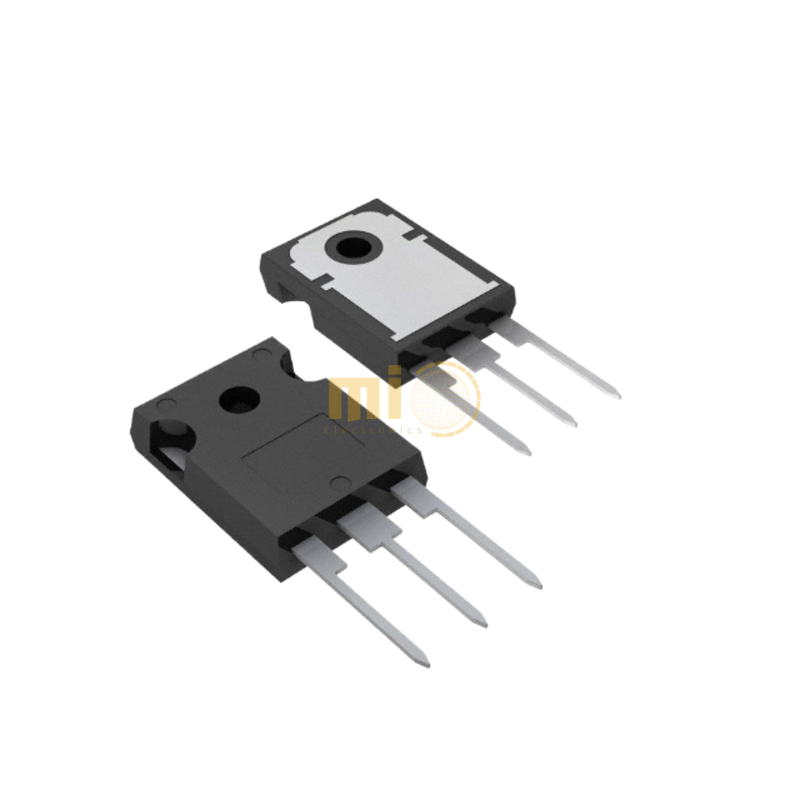 Diode/transistor
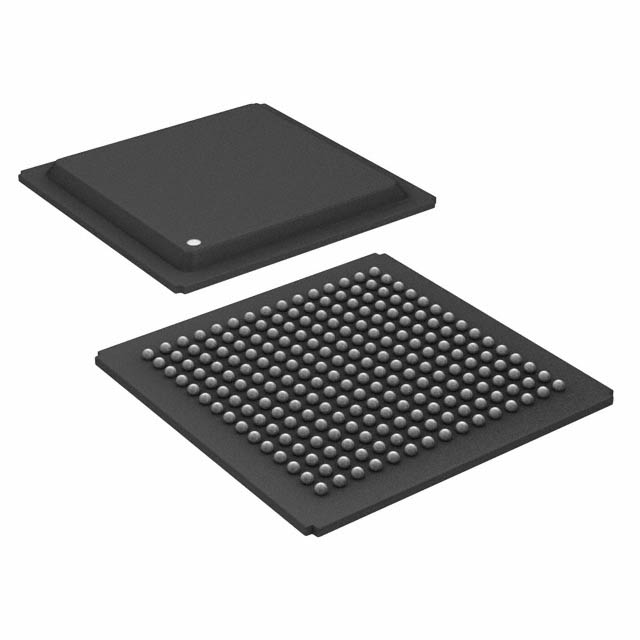 IC chip
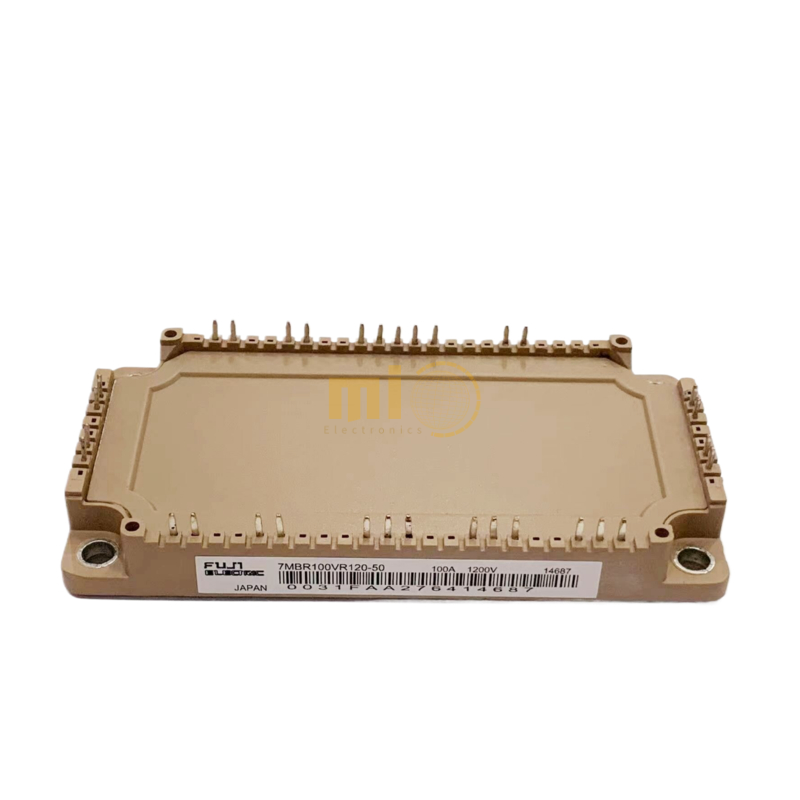 IGBT module
Copyright ©2024 All Rights Reserved by Hong Kong Mio Electronics Limited