
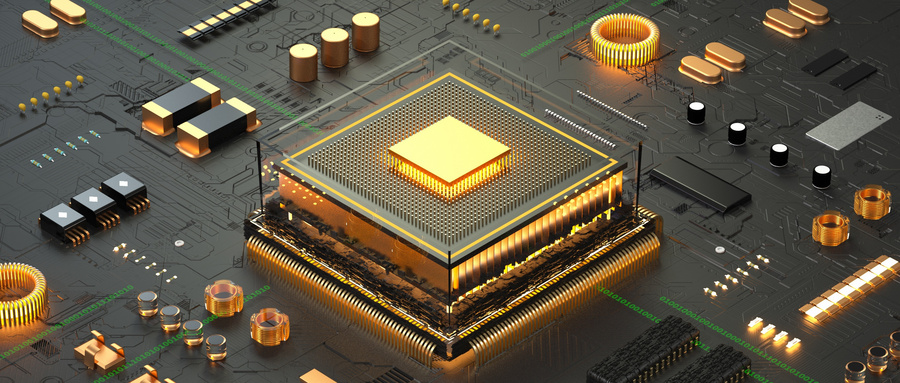
In the realm of electronics, filters serve as pivotal signal processing devices, meticulously regulating the flow of electronic signals. As a vital component among electronic elements, filters, with their distinctive frequency-selective capabilities, not only play a foundational role in the stable operation of electronic devices but also demonstrate extensive application value across various fields such as communications, data processing, healthcare, and new energy.
Definition and Classification
A filter, as the name suggests, is an electronic frequency-selective device capable of selectively allowing or blocking signals within specific frequency ranges. It screens signals based on their frequency characteristics, permitting desired signals to pass through while attenuating or suppressing undesired ones.
Based on their operation, filters can be categorized into two main types: digital filters and analog filters. Digital filters process digital signals, typically realized through digital signal processors (DSP) or software algorithms in embedded systems; whereas analog filters handle continuous-time signals, usually implemented using circuit components such as resistors, capacitors, and inductors. According to frequency response, filters can also be classified into low-pass filters, high-pass filters, band-pass filters, and band-stop filters. A low-pass filter allows signals below the cutoff frequency to pass while suppressing those above it; a high-pass filter does the opposite, permitting signals above the cutoff frequency to pass while blocking those below it; a band-pass filter allows signals within a specific frequency band to pass while shielding others; and a band-stop filter blocks signals within a particular frequency range.
Working Principle
The working principle of filters is based on the frequency response characteristics of circuits. In analog filters, the combination of resistors, capacitors, and inductors forms specific frequency response curves. When a signal passes through a filter, signals of different frequencies experience varying degrees of attenuation or amplification, thereby achieving signal screening. The working principle of digital filters is based on digital signal processing algorithms. It first samples and quantizes analog signals, converting them into digital signals. Then, specific filtering algorithms process the digital signals to achieve the filtering function. Finally, the processed digital signals are converted back into analog signals for output.
Performance and Role
The performance of filters is primarily measured by key indicators such as cutoff frequency, center frequency, passband gain, stopband attenuation, passband bandwidth, and quality factor. Among these, the quality factor (Q Factor) is a parameter used to describe the performance of a filter. The higher the quality factor, the better the filter's selectivity, the narrower the bandwidth, and the steeper the transition region between the stopband and passband.
The role of filters in electronic technology cannot be overlooked. They not only remove noise and interference from signals, improving the signal-to-noise ratio and clarity, but also enable functions such as signal spectrum shifting, modulation, and demodulation.
Applications
Filters find extensive applications across various fields. In the field of communications, filters are widely used in devices such as mobile phones, base stations, and satellite communications to ensure accurate signal transmission and reception. In audio processing, filters are employed in products like audio amplifiers, sound equipment, and headphones to optimize the frequency characteristics of audio signals. In data processing, filters are utilized in areas such as digital signal processing, image processing, and speech recognition to enhance the efficiency and accuracy of data processing. Additionally, filters are extensively applied in medical devices, industrial automation, aerospace, and more.
With the continuous advancement of electronic technology, filter technology is also innovating and upgrading. High frequency, wide bandwidth, miniaturization, and low power consumption have become important development directions for filter technology. Meanwhile, with the rise of emerging technologies such as 5G, the Internet of Things, and artificial intelligence, the application of filters in communications, data processing, and other fields will become even more widespread and profound. In the future, filters will continue to leverage their unique frequency-selective capabilities, contributing further to the development of electronic technology.
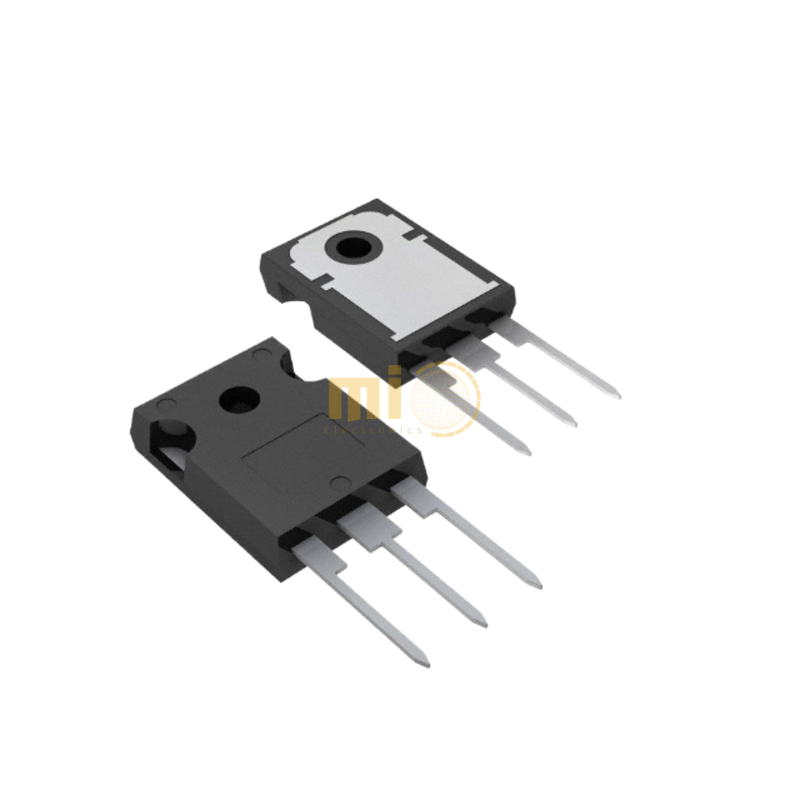 Diode/transistor
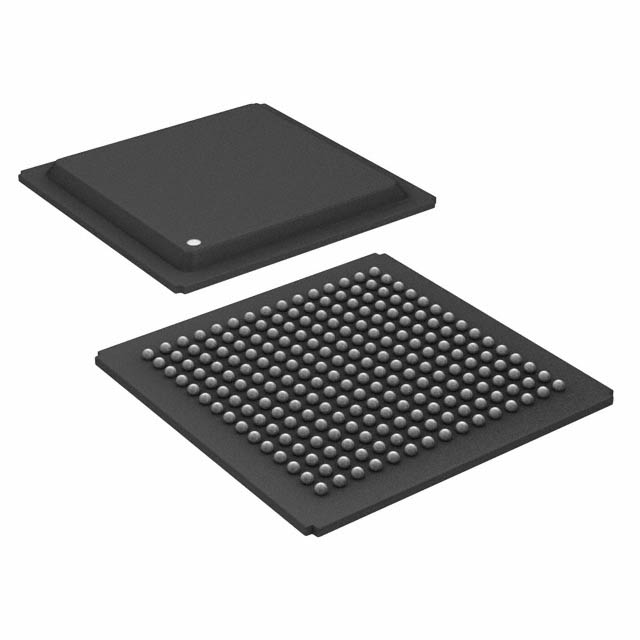 IC chip
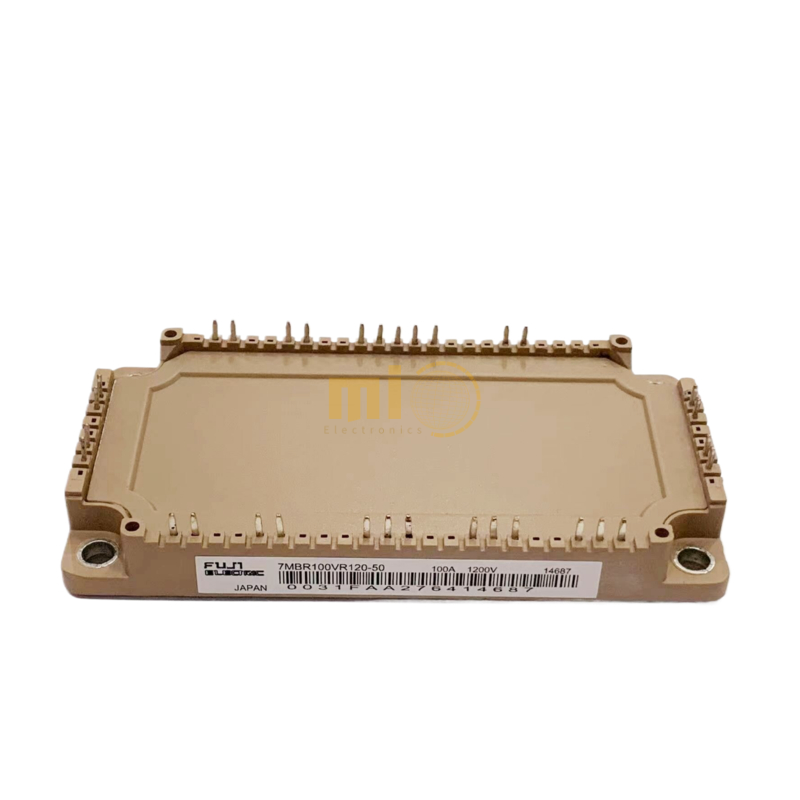 IGBT module
Copyright ©2024 All Rights Reserved by Hong Kong Mio Electronics Limited